(less)
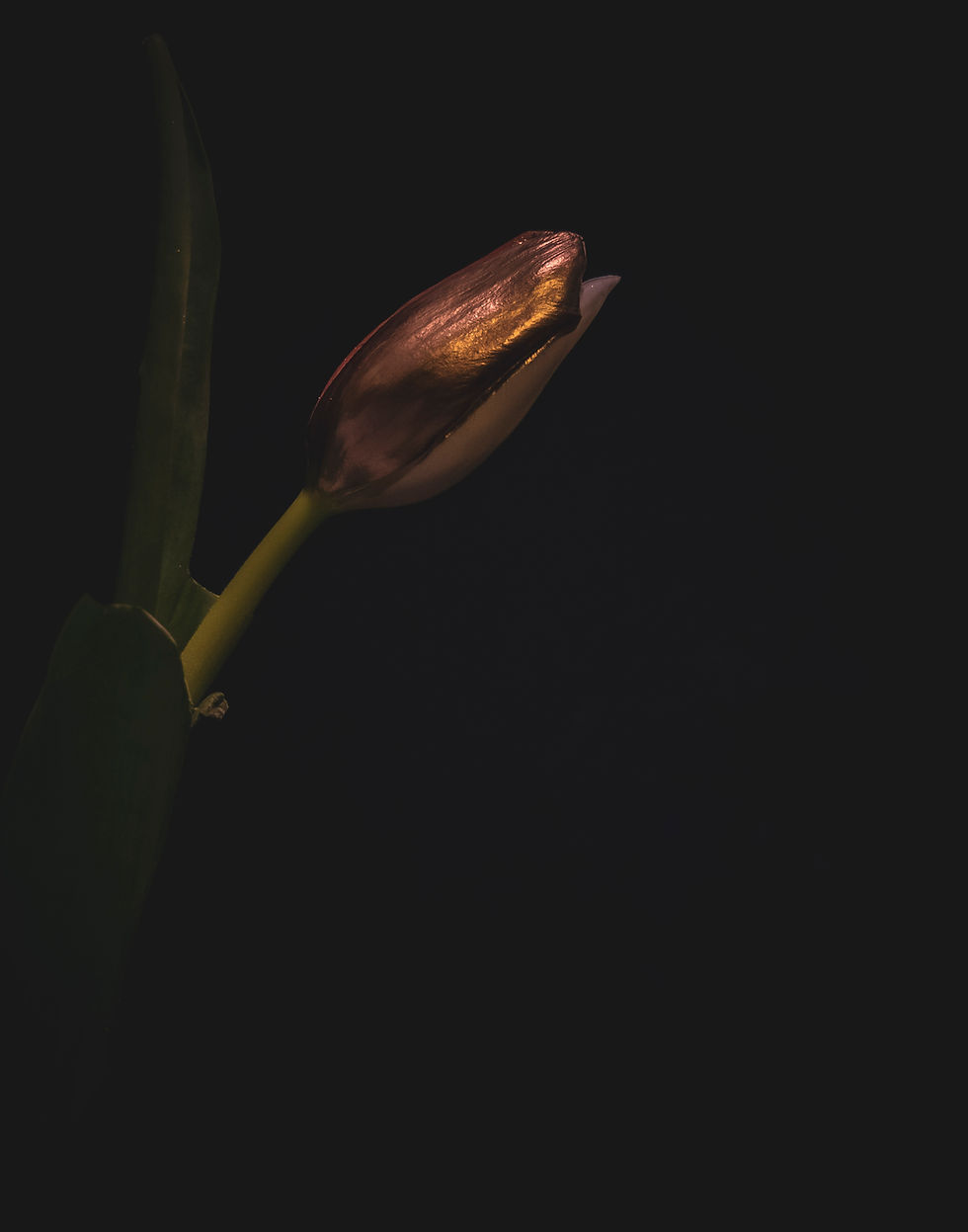
This series is an ongoing exploration of the experiences of ADHD and ASD through a photographic lens. Each collection is inspired by different traits or symptoms that are part of living with these disabilities.
Often those who are not neurotypical are told they are too much. Too loud, too impulsive, too hyper, too fixated, too lazy. Too much. We are told to make ourselves less, to be less of who we are because the world is incapable of managing us at our full selves. We exist in fragments, never being able to fully embrace our identity for fear of retribution.


mind(less) 2022
Everything is covered in a sheen of oil. The edges of each thought blurs along its edges and makes it difficult to grasp, despite how many times I adjust my grip. If I lessen my focus for just a moment, I risk it sliding through my fingers and falling into the abyss at my feet. If that happens, I may later rediscover it with a newfound interest or stumble upon it while searching with frustration that I lost something yet again. Or, even worse yet, I might never realize I was trying to hold something at all.

end(less) 2023
Caught in the chaos of indecision, I am directionless, despite clear expectations. Blanketed in the boundless expanse of possibility I become awestruck to the point of stagnation. Thoughts blink in and out of my consciousness, too distant to discern with any semblance of clarity. I am aware of my paralysis, but no amount of willpower can propel me forward. Amidst the myriad of possibilities, I am unable to locate my guiding star, rendering me incapable of charting a course ahead and leaving me with nothing but listless exhaustion.

thought(less) 2024
A lack of impulse control is so much more than “a sudden, non-reflective urge to act”. It goes well beyond conscious thought. It isn’t merely an urge that needs sating. It is a physical response to an external stimulus before that stimulus can be codified into cognizance. It is also deceptive in its confidence. In the moment of action, there is such a certainty that no other response would be as equally measured and reasonable in its validity. There may even be a moment of pride at just how well the situation was undertaken.

doubt(less) 2026
The difficulty with having an invisible disability like AuDHD is that it can take time to realize your perception of the world doesn't align with a neurotypical experience. Things seem off. Not quite right. You may attribute that to your lack of understanding. In reality, it’s a fundamental difference in how you navigate the world compared to those around you.